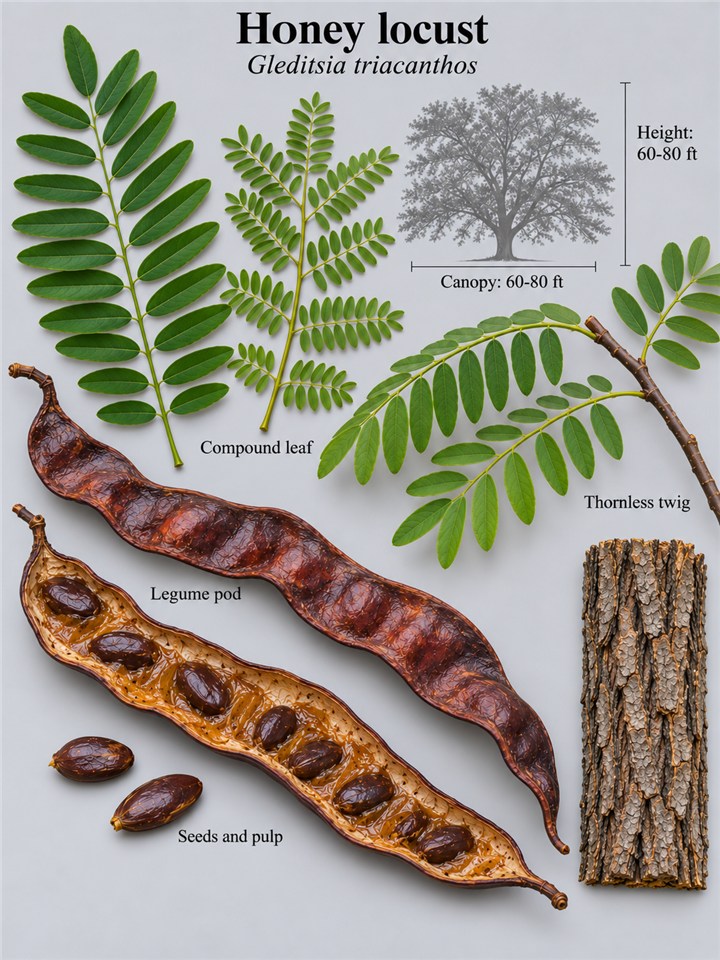
Interest forms are welcome now. Trees are not for sale yet; we are awaiting IDALS nursery certification. Planned ordering: February 2027, subject to certification and tree readiness. No payments or deposits are accepted now.
Submit your species and quantities so we can try to prepare them for spring. We will email to confirm your interest, then send follow-ups in spring of 2027 closer to planting time. Questions? Email us.
Trees for your planting goals
Food for your table, habitat for wildlife, or a more diverse pasture.
Human food production
These trees are good starting choices for home harvests and commercial food production. We offer improved seed sources and chestnut hybrids selected for eating quality. Individual seedlings vary, and grafted cultivars may be available by inquiry.
- Chinese chestnut
- Hardwood tree with sweet nuts for roasting and cooking. Chestnuts can be a commercially viable nut crop, with commercial buyers here in Iowa.
- Pecan
- Hardwood tree with rich, edible nuts. We have northern pecan genetics available for Iowa plantings. Choose a suitable site to give the trees the best chance of a good harvest.
- American persimmon
- Hardwood tree with sweet fruit when fully ripe. Female trees produce the fruit and need suitable pollination.
- Pawpaw
- Understory tree that sends up suckers and produces custard-like fruit. Adequate light helps mature trees produce a crop.
- Hazelnut
- Thicket-forming shrub with edible nuts. A good choice where a smaller, spreading planting is welcome.
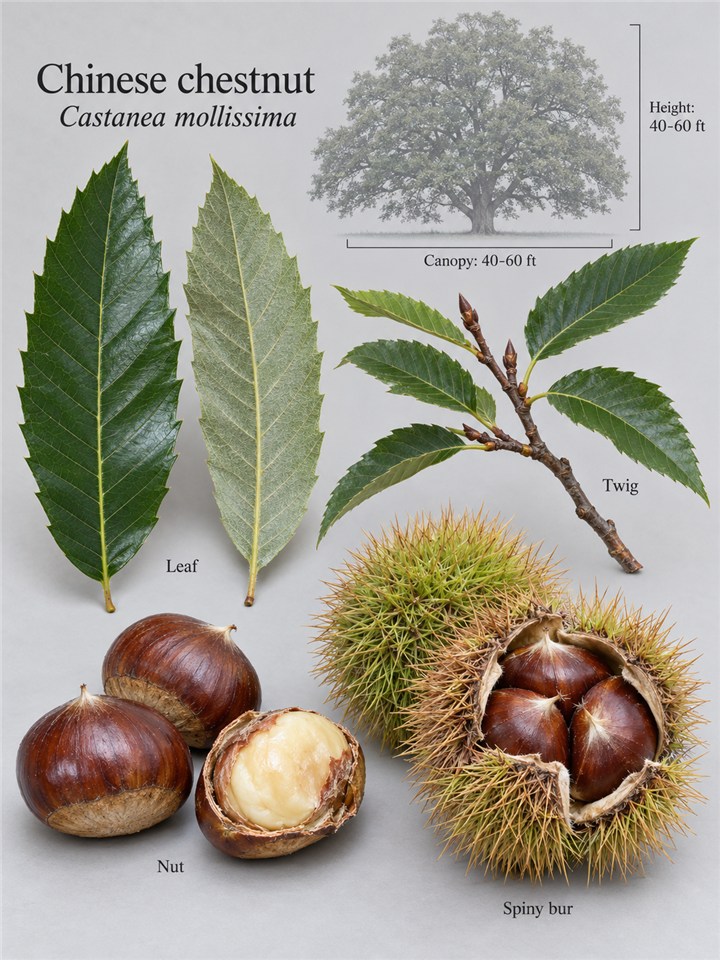
Wildlife & habitat
* Planting a variety of trees can add food and habitat for wildlife. Choose locally appropriate native trees when your priority is supporting a wide range of insects, birds, and mammals. Hazelnuts, American plums, and oaks are especially good starting choices for deer, turkeys, and game birds.
Oaks
Acorns feed wildlife, and native oak leaves support insects that birds depend on. All five oaks we offer belong to the white-oak group. Their acorns generally contain less tannin than those of red oaks.
- White oak
- A classic food tree for deer, with relatively low-tannin acorns.
- Swamp white oak
- Offers similar wildlife food value to white oak and is a better fit for some moist sites.
- Bur oak
- Produces low-tannin acorns and grows a large, long-lived canopy that provides shelter.
- Chinkapin oak
- Produces sweet acorns valued by deer, birds, and other wildlife.
- Dwarf chinkapin oak
- Offers tasty acorns and a lower, shrub-like canopy for cover. It often starts bearing earlier than larger oaks.
Other food and cover
- Hazelnut
- Forms dense cover and provides seasonal wind shelter. Its nuts are prized by turkeys, game birds, and other wildlife.
- American plum
- Forms dense thickets where deer can bed and birds can nest or escape predators. The fruit feeds both birds and mammals.
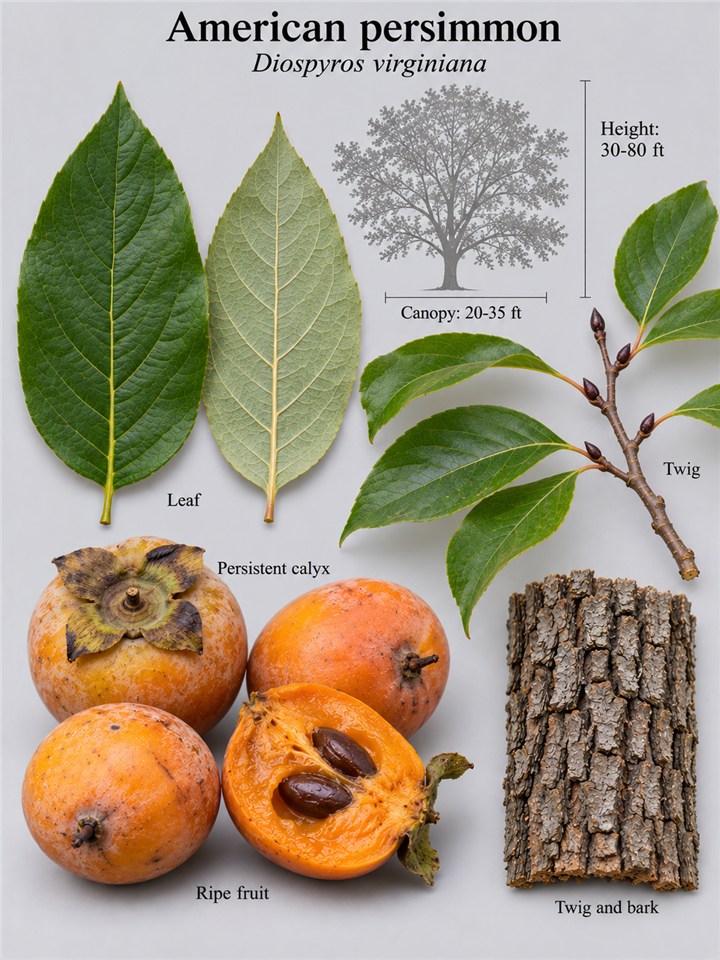
- Honey locust
- Produces pods with sweet pulp that can add fall and winter food. Pod production and thorn development vary among seedlings.
- Chestnut
- Produces sweet, carbohydrate-rich nuts and often starts cropping sooner than large oaks or pecans. Crop size varies.
- Pecan
- Offers energy-rich nuts for birds and mammals that can open the shells. Shell thickness varies. Choose moist ground with good drainage rather than standing water.
Species notes: NC State hazelnut, dwarf chinkapin oak, and pecan.
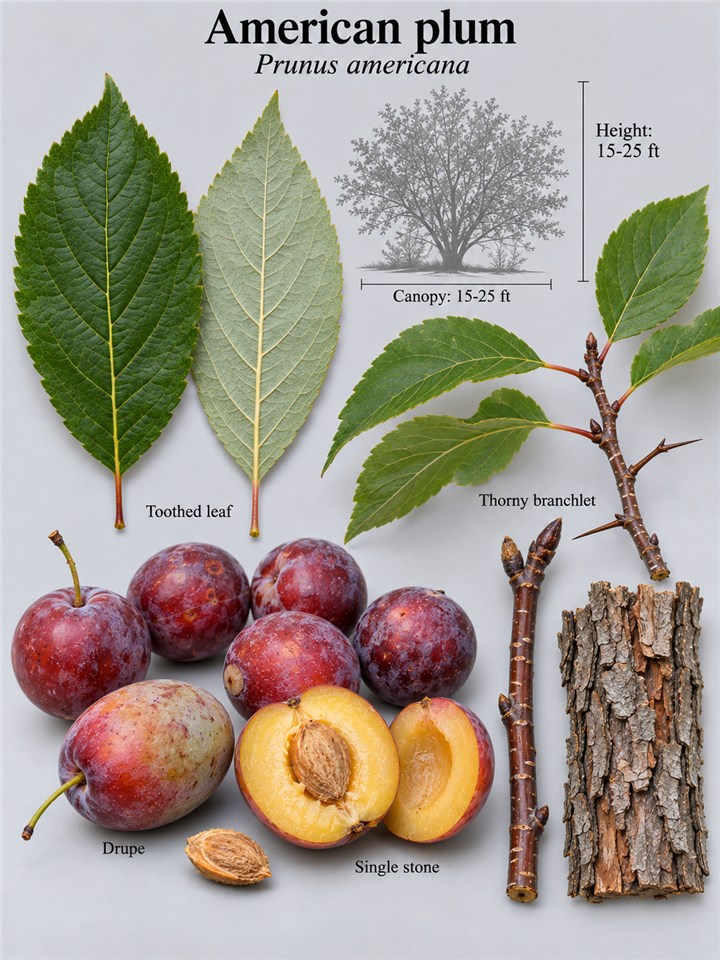
Deer hunting
Chestnuts, persimmons, and honey locust are our top choices for creating a feeding destination. Combine food trees with bedding cover, and plan the layout around your access and hunting strategy. A crop can attract deer, but it does not guarantee predictable visits.
- Chestnut
- Sweet, starchy nuts can feed deer from September through October. Chestnuts are often an early-season choice, although their drop can overlap other nut crops. Timing varies by seedling and year.
- American persimmon
- Ripe fruit is attractive to deer and can extend the fall food supply beyond early chestnuts. Fruiting trees provide the crop, and drop timing varies.
- Honey locust
- Sugary pod pulp can provide plenty of carbohydrate-rich food later in fall and into winter. Select trees for pod quality because not every seedling produces useful pods.
- American plum
- Provides a seasonal feeding stop and dense cover. A plum patch can help connect deer movement with bedding habitat.
- Hazelnut
- Provides wind shelter and cover. Deer may also eat the nuts if birds and other wildlife do not take them first.
- Oaks and pecans
- Provide long-term food sources, but usually take longer to begin cropping. Dwarf chinkapin oak can bear much sooner than many large oaks.
Livestock & silvopasture
The right choice depends on the farmer, the animals, and the goals for the pasture. Silvopasture does not automatically produce more grass than open pasture because trees compete with forage for light and water. Trees can still provide shade and diversify seasonal feed in regenerative systems, including those with heritage livestock.
First choice to explore: thornless, pod-producing honey locust
Honey locust grows quickly, and its fine leaves and open canopy allow some sunlight to reach the grass below. Selected high-sugar trees can produce substantial crops of carbohydrate-rich pods. Virginia Tech research found that the pods have potential as a digestible feed supplement, not a complete ration. The study used selected trees and processed pods, so the results do not apply equally to every seedling or grazing animal.
Grafted or cloned thornless, pod-producing honey locust trees are available by inquiry. For silvopasture, these selected trees are significantly better than seedlings for predictable thornlessness and pod quality. Cloning preserves the selected tree's traits, while seedlings vary. Crop size still depends on pollination, site, and care.
Thornlessness and productive pods are not a seedling guarantee. Protect young trees from livestock.
More experimental additions
Chestnuts, pecans, oaks, persimmons, and hazelnuts may provide seasonal feed supplements for some livestock systems. Start small and discuss feed safety with a livestock adviser. Acorns and oak foliage can poison livestock, and unripe persimmons can cause digestive problems, particularly in horses. Suitability depends on the animal species, how much they eat, and how access is managed.