
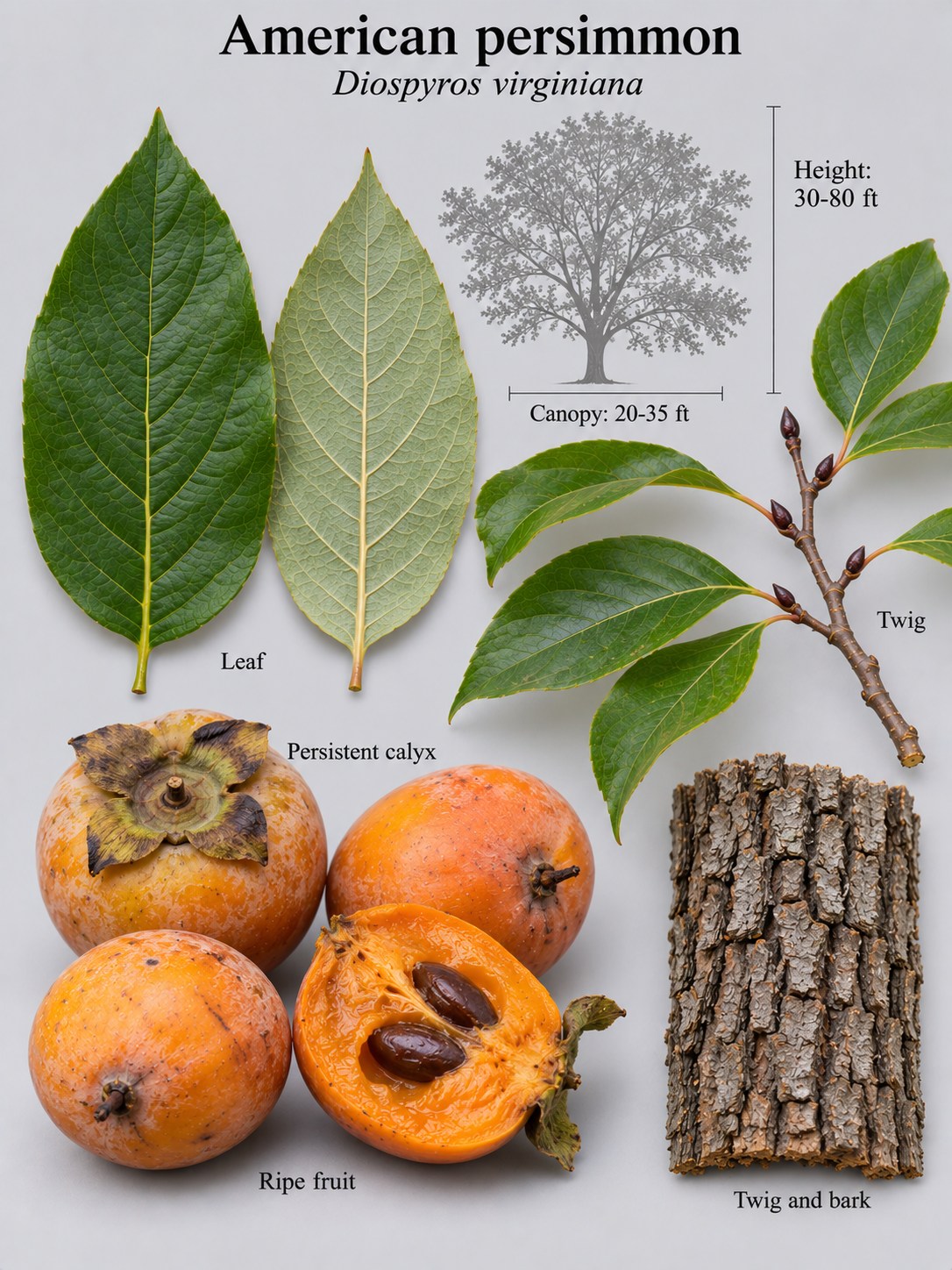
American persimmon seedlings
Native fruit for people and wildlife. Plant groups because seedling sex and fruit quality vary.
Not for sale yet. Planned ordering: February 2027, subject to IDALS certification and tree readiness.
I'm interestedInterest forms are welcome now. Trees are not for sale yet; we are awaiting IDALS nursery certification. Planned ordering: February 2027, subject to certification and tree readiness. No payments or deposits are accepted now.
Submit your species and quantities so we can try to prepare them for spring. We will email to confirm your interest, then send follow-ups in spring of 2027 closer to planting time. Questions? Email us.
Species
Ripe persimmons provide soft fruit for wildlife and people. Unripe fruit is strongly astringent; ripeness, not frost alone, determines when it is ready.
Seedlings vary in ripening time and are usually male or female. Their sex is not known until they flower. A group improves the chance of having fruiting females and a pollen source, but does not guarantee either.
Pawpaw has rich, custard-like fruit. Young plants benefit from protection from strong sun and drying wind; established trees generally fruit better with adequate light. Choose moist, well-drained ground and genetically distinct trees for cross-pollination.
American plum forms thickets that provide fruit, shelter and nesting cover. Give it room to spread where a shrub patch belongs, rather than placing it where suckering will conflict with mowing or paths.
Honey locust pods can add seasonal wildlife food, and its relatively open canopy can fit some pasture layouts. Seedlings vary in thorn development, pod quality and production; do not assume every tree will be thornless or have the same sugar content.
Honey locust can be a useful silvopasture tree, combining pasture, trees and grazing livestock. Virginia Tech research has explored its sugary pods as seasonal supplemental feed for livestock, including sheep. Its open canopy can provide shade while allowing light to reach pasture forage. Pod quality and yields vary; pods are a supplement, not a complete livestock ration.
Native fruit for people and wildlife. Plant groups because seedling sex and fruit quality vary.
Not for sale yet. Planned ordering: February 2027, subject to IDALS certification and tree readiness.
I'm interested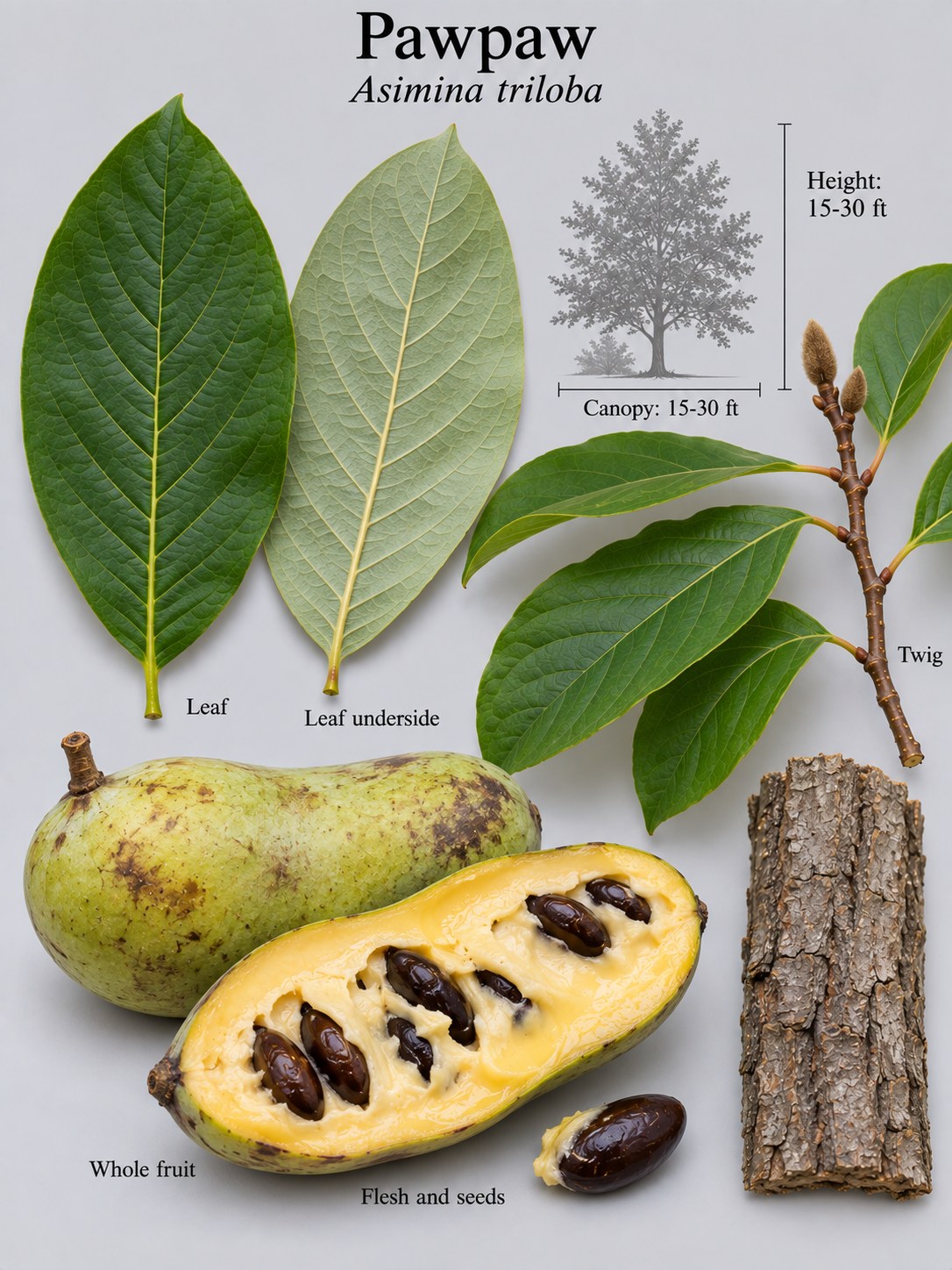
Native fruit trees for suitable sheltered sites. Plan for pollination and protection during establishment.
Not for sale yet. Planned ordering: February 2027, subject to IDALS certification and tree readiness.
I'm interested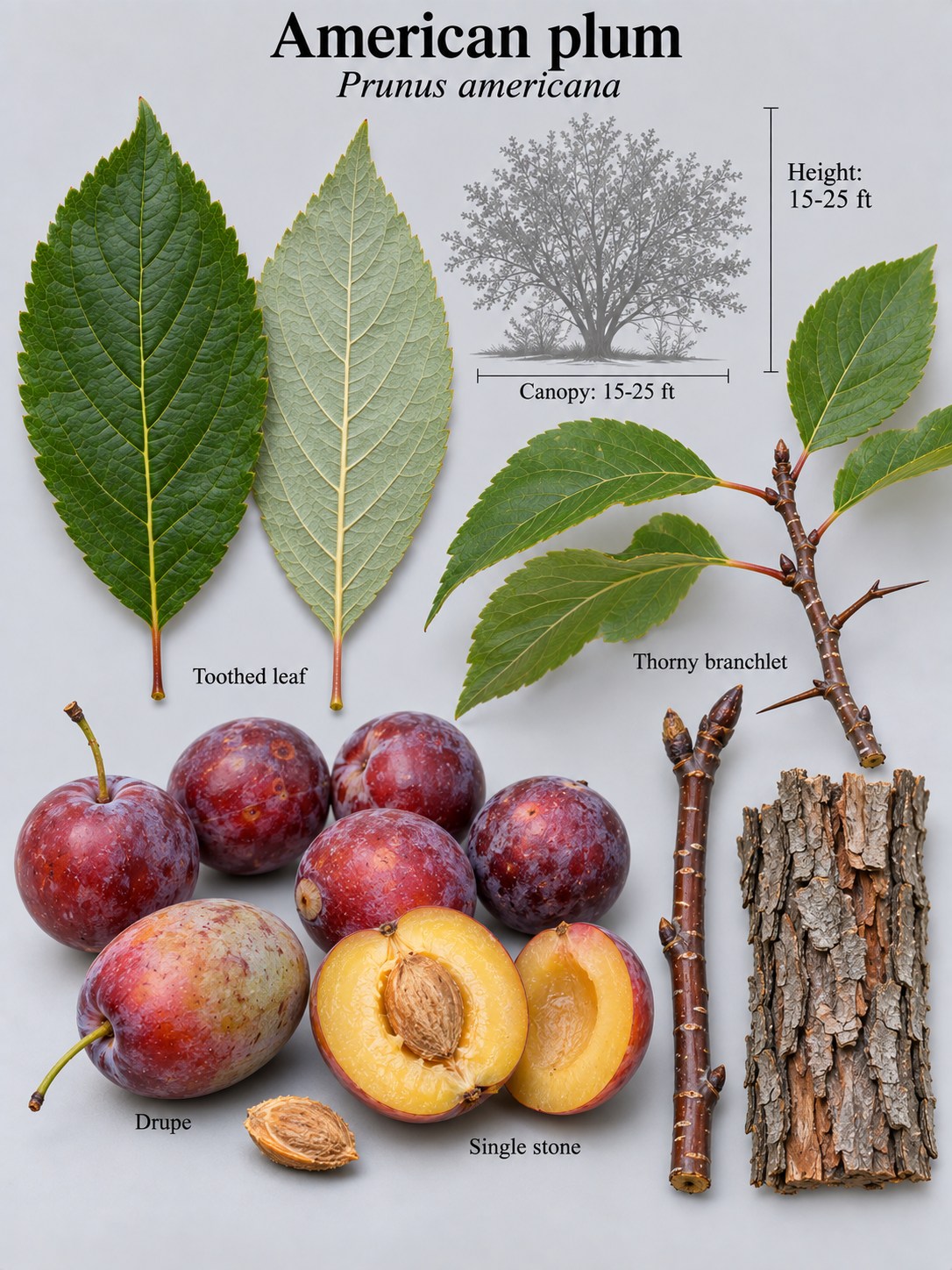
Native food and habitat trees that form thickets, sheltering deer, birds and other animals.
Not for sale yet. Planned ordering: February 2027, subject to IDALS certification and tree readiness.
I'm interested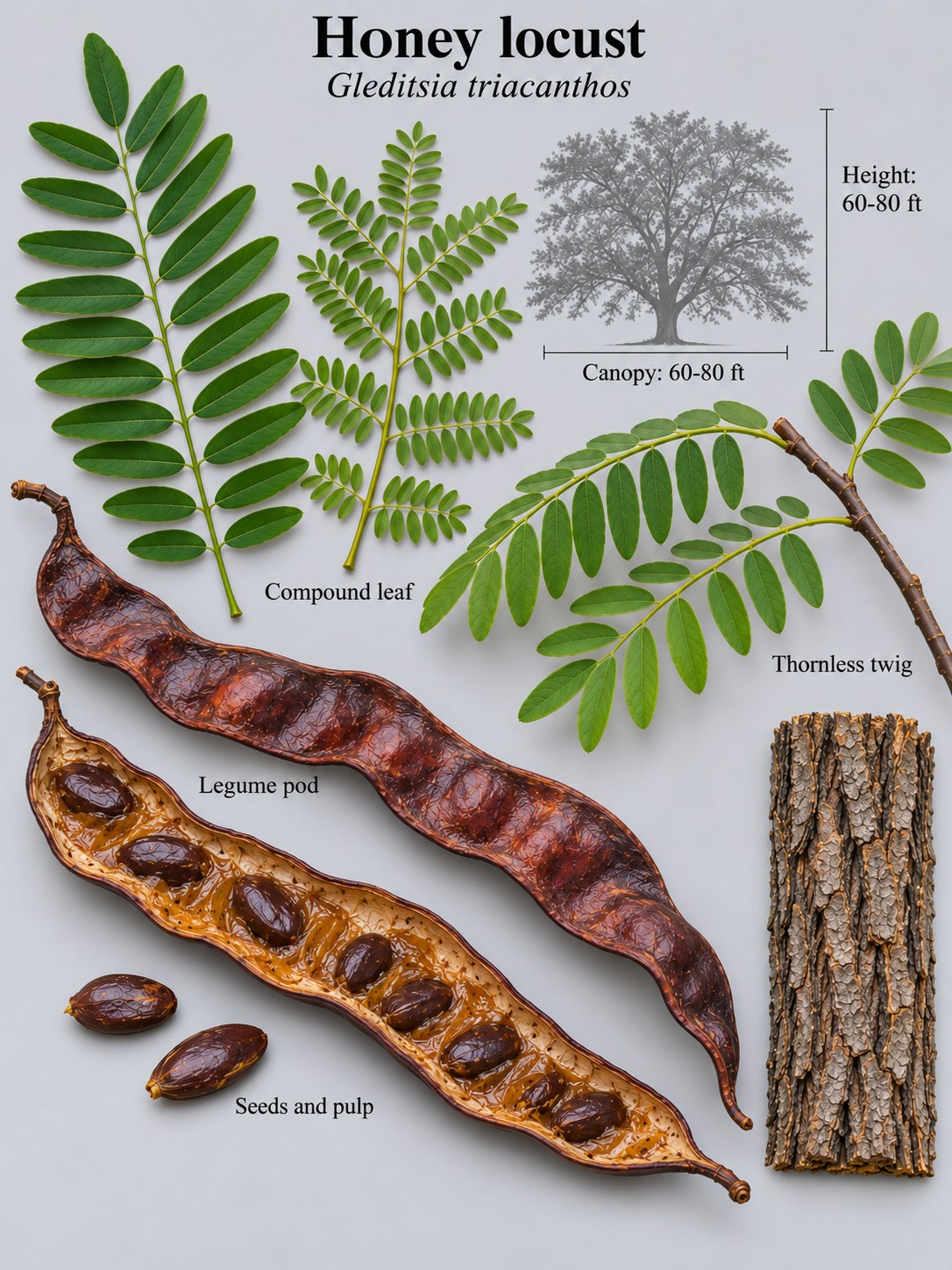
Native trees for habitat and pasture enhancement. Discuss pod production, thorns and site suitability with us.
Not for sale yet. Planned ordering: February 2027, subject to IDALS certification and tree readiness.
I'm interestedExpected seedling height is 12-36 inches, depending on species and season. We recommend spring planting. Small grafted trees may be available; inquire about current options.
Tell us about your ground and the habitat you want to build.